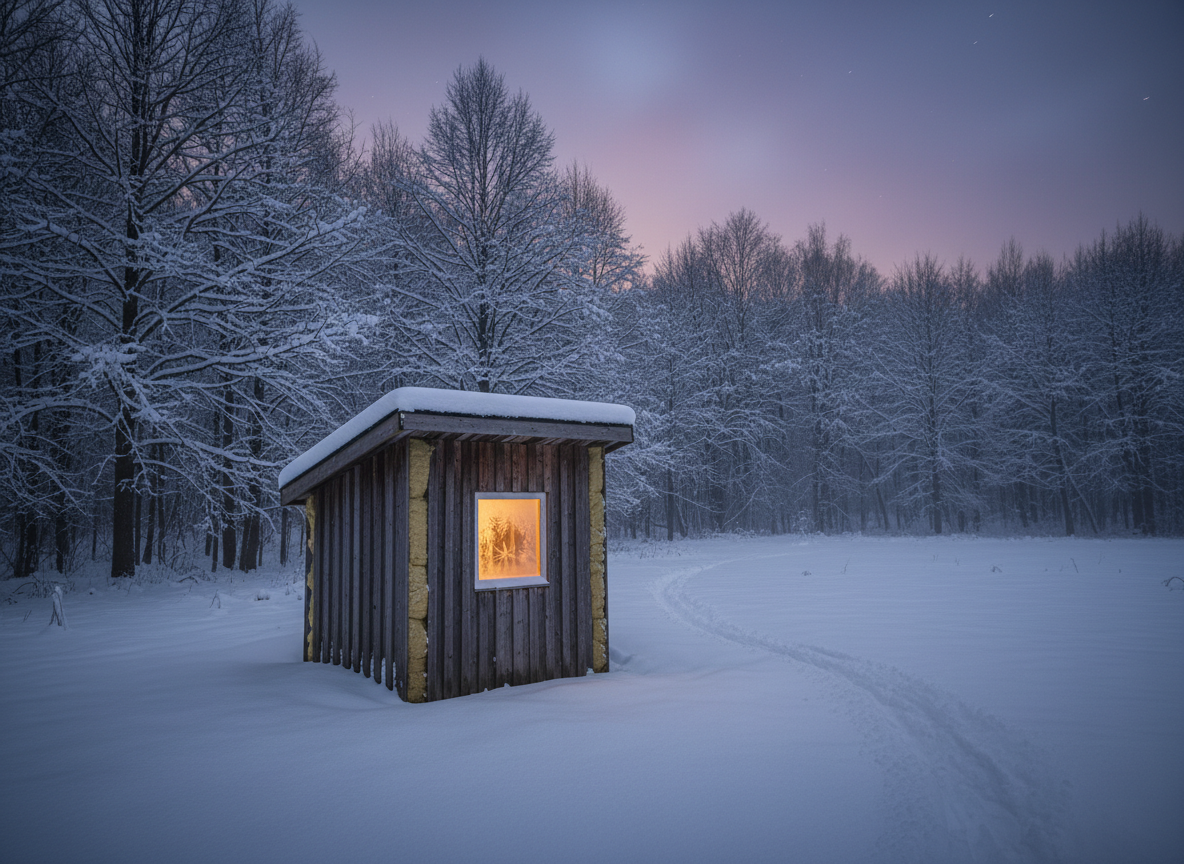
Quick answer: To keep a well from freezing, protect the parts that sit above the frost line: insulate exposed pipes, the pressure tank and the pump house, add heat tape rated for the use or a thermostat-controlled heater in unheated spaces, and keep garages and crawlspaces above freezing. The Water Systems Council advises keeping above-ground pumps where the temperature stays above 40°F. If something freezes, turn off the pump breaker first and thaw with gentle electric heat, never an open flame.
You turn on the shower on a January morning and nothing comes out, or the pump hums but the pressure gauge won’t budge. In most cases the well itself is fine and a short run of pipe or the pressure switch has frozen. This guide shows you where to look, how to prevent it and how to thaw things safely.
The parts of a well system that actually freeze
The water deep in a drilled well stays well above freezing. The trouble is the equipment that sits near or above the surface. NGWA’s wellowner.org notes that “small fittings, gauges, and switch lines can freeze quickly.”
| Part | Why it freezes | Typical sign |
|---|---|---|
| Pipes above ground or in unheated spaces | Exposed to air in a crawlspace, garage or pump house | No water at some or all taps |
| Pressure switch sensing tube | Small tube or fitting holds little water and freezes first | Pump won’t start, or won’t shut off |
| Pressure tank in an unheated space | Large water volume exposed to cold air | Low or no pressure; possible tank damage |
| Jet pump in a pump house | Pump body and piping sit above ground | Pump runs but moves no water |
| Well pit equipment | Shallow, often poorly insulated below-grade box | Water stops during cold snaps |
| Outdoor faucets and yard lines | Water left in the line | Cracked spigot or split pipe in spring |
The pressure switch tube deserves special attention. When it freezes, the switch can’t sense pressure correctly. The pump may not start, or it may keep running against a frozen line, which can damage the pump and pipes. If the pump is running but you have no water, see well pump won’t shut off.
How to keep well from freezing: 6 prevention steps
1. Insulate the pump house or well enclosure
NGWA advises that an above-ground pump should sit “inside a properly insulated well house or enclosure,” and notes that a small insulated enclosure over the pump helps keep the system above 32°F. The Water Systems Council says above-ground pumps need a spot that stays above 40°F or an insulated enclosure, and that water tanks should also be inside an insulated enclosure.
Seal gaps around doors and where pipes pass through walls. Drafts do more damage than still cold air.
2. Add a thermostat-controlled heater in unheated pump houses
NGWA recommends keeping the well house or enclosure heated. A heater with a thermostat turns on only when needed. Use a unit made for the space: rated for damp locations, with tip-over and overheat protection, on a properly grounded circuit, and kept away from anything flammable. If you’re adding a new circuit or outlet, have a licensed electrician do it.
3. Use heat tape rated for the job
Heat tape (heat cable) wraps along a pipe and warms it. The Red Cross and University of Missouri Extension both recommend UL-listed heat tape or heat cable. The Water Systems Council suggests wrapping the pipe with the heating strip first, then adding insulation on top.
Mistake to avoid: Overlapping heat tape, wrapping it over itself, or using an indoor product outdoors. Follow the manufacturer’s instructions exactly, including any requirement for a GFCI-protected outlet. Check it each fall for cracked or damaged insulation.
4. Insulate exposed pipes and the pressure tank
The Water Systems Council recommends foam or rubber pipe covers for exposed pipes. NGWA suggests rubber casings or fiberglass insulation for pipes in unheated spaces. Don’t forget the short run of pipe to the pressure switch and gauge.
5. Keep the garage, basement or crawlspace above freezing
If your pressure tank sits in a garage or crawlspace:
- Keep garage doors closed when water lines run through it (University of Missouri Extension).
- Close crawlspace vents during cold weather and seal drafts.
- Keep your home’s thermostat steady day and night. The Red Cross advises no lower than 55°F when you’re away.
- In extreme cold, let a cold tap served by exposed pipes trickle, as the Water Systems Council and Missouri Extension suggest.
6. Rely on a pitless adapter below the frost line
Most modern drilled wells use a pitless adapter, a fitting on the side of the casing that carries water sideways into a buried line. PrivateWellClass.org (a project of RCAP and the University of Illinois) describes it as a frost-free connection installed below the frost line. The Wisconsin DNR calls it “a freeze-proof connection between an outside well and the basement of a building.”
If you still have a well pit, the Wisconsin DNR says pits “are usually poorly constructed, seldom looked at, subject to flooding and are often unsanitary,” and does not recommend them. Ask a licensed well contractor about upgrading. The Minnesota Department of Health warns that because of the risk of injury or asphyxiation, only a licensed well contractor or pump installer should enter a pit.
What to do if your well freezes
Follow these steps in order.
- Turn off the breaker to the pump. The Water Systems Council says to keep it off until the fitting to the pressure switch has warmed up. This stops the pump from running against a frozen line.
- Open a faucet so water can flow once the ice melts and pressure can escape.
- Find the frozen section. Start with the most exposed spots: the pressure switch tube, pipes near outside walls, the pump house and the well pit.
- Apply gentle heat. The Red Cross and Water Systems Council list an electric heating pad, an electric hair dryer or a portable space heater kept away from flammable materials. Towels soaked in hot water also work. Keep electric tools away from standing water.
- Never use an open flame. University of Missouri Extension warns against a blowtorch, kerosene or propane heater, or any open flame. A torch can make water in a frozen pipe boil and cause the pipe to burst, and it creates fire and carbon monoxide risks.
- Restore power slowly. Once the switch tube is thawed, turn the breaker back on and watch the pressure gauge. The pump should build pressure and shut off normally. Our pressure switch settings guide explains what normal cut-in and cut-out look like.
- Check for cracks and leaks. Look for drips, split pipes, a damaged pressure tank or a cracked pump housing. NGWA recommends inspecting for leaks, low pressure and other freeze damage after a hard freeze.
Call a licensed well contractor or plumber if you can’t find or reach the frozen section, if the freeze is in a well pit or buried line, or if the pump won’t restart. If the breaker trips when you restore power, stop and read well pump keeps tripping breaker.
Winter well checklist
Work through this in the fall, before the first hard freeze.
- Inspect the pump house for gaps, broken doors and missing insulation.
- Test the heater and thermostat; clear flammable items from around it.
- Check heat tape for cracks or damage, and confirm it’s plugged in and warming.
- Insulate exposed pipes, including the line to the pressure switch and gauge.
- Close crawlspace vents and seal drafts near the pressure tank.
- Shut off and drain outdoor faucets, hoses and irrigation lines, as NGWA recommends.
- Check that the well cap is secure and the casing isn’t cracked.
- Plan for power outages; NGWA suggests a generator and stored bottled water.
- Write down your pump breaker location so anyone in the house can find it.
Pro tip: A cheap plug-in thermometer with a low-temperature alert in the pump house gives you warning before anything freezes.
Frequently asked questions
How do I know if my well pump is frozen?
Common signs are no water at the taps, a pressure gauge stuck at zero, or a pump that won’t start or won’t stop. Check the pressure switch tube and exposed pipes first, since they freeze before the well does.
Can a submersible well pump freeze?
It’s unlikely. A submersible pump sits deep in the well under water that stays above freezing. The pipes, pressure tank and switch above ground are what usually freeze.
Should I let faucets drip to keep the well from freezing?
In extreme cold it can help, especially for pipes along outside walls. The Water Systems Council and Missouri Extension both suggest a slight drip. It does make the pump cycle more, so use it only during severe cold snaps.
Is it safe to use a light bulb to heat a pump house?
Many people do, but it’s a fire risk and bulbs burn out. A thermostat-controlled heater rated for the space is a safer choice. Keep any heat source away from insulation and flammable materials.
Will a frozen well damage the pressure tank?
It can. Water expands as it freezes, which can crack tanks, fittings and pipes. After thawing, check for leaks, and see signs of a bad pressure tank if pressure seems off.
Related guides
- Well pump pressure switch settings
- Well pump won’t shut off: causes and fixes
- Signs of a bad pressure tank
Sources
- Water Systems Council (wellcare) – Protecting Your Pipes and Well System From Freezing
- National Ground Water Association (wellowner.org) – Winter Well Care at a Glance
- University of Missouri Extension – Frozen pipes create big problems during cold weather
- Wisconsin DNR – Basement wells and well pits
This guide is for general information. Turn off power to the pump before working on it, and call a licensed well contractor, plumber or electrician for electrical work, well pits or damage you can’t reach safely.
Leave a Reply